


Ming-style flat cover
Ming-style flat cover
Ming-style flat cover
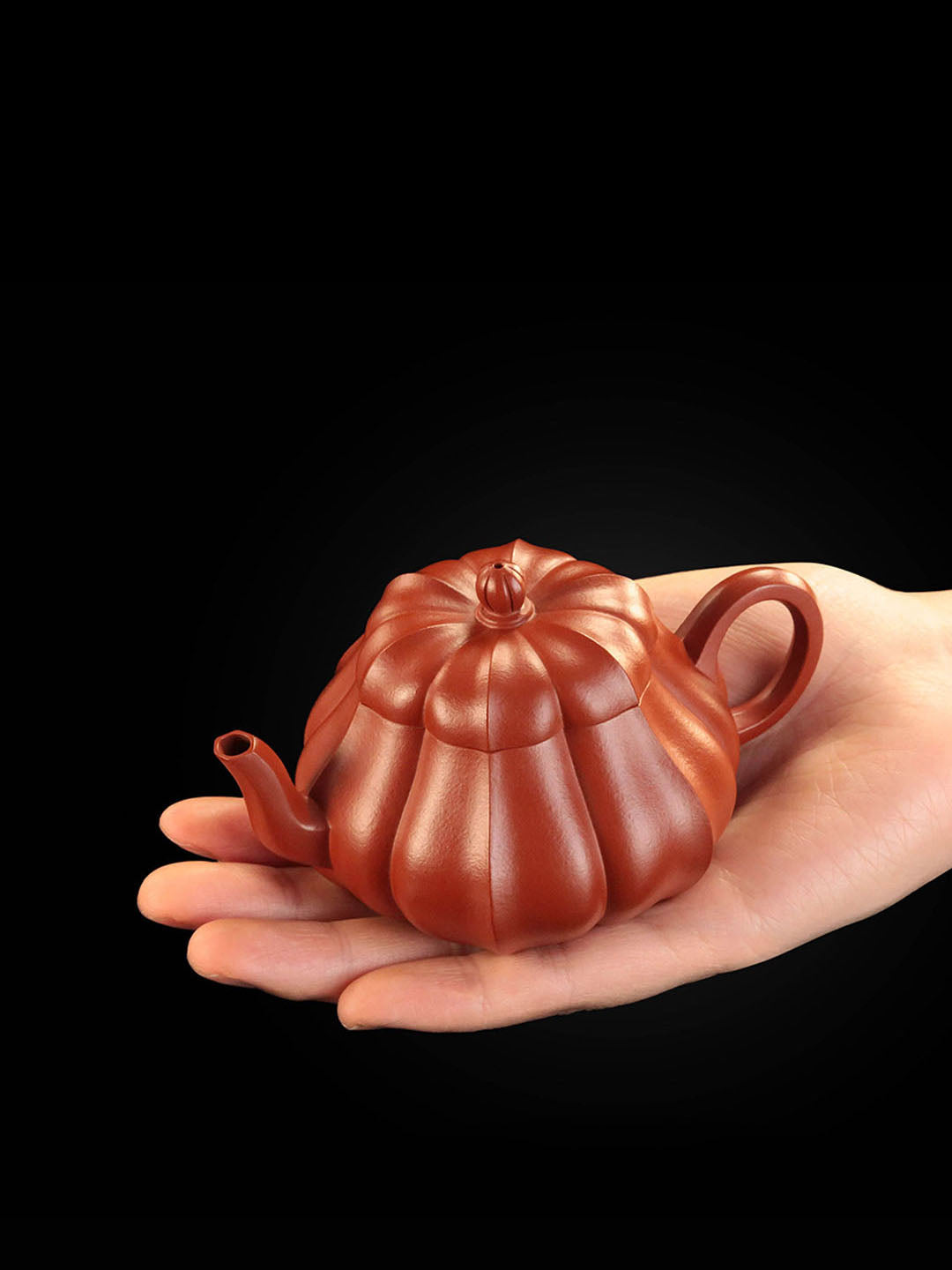
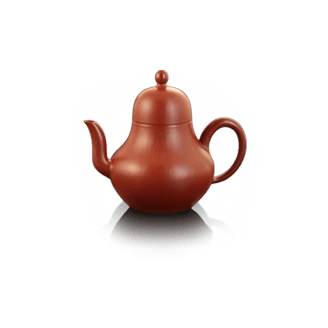
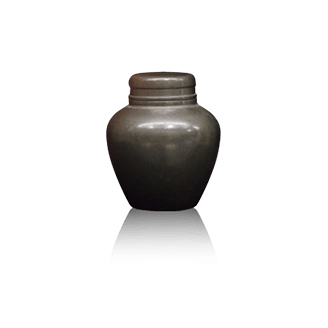
Teapot body: Made during the Cultural Revolution, made of Huanglongshan goose-yellow red clay.
Teapot lid: Matched in 2016, Zhao Zhuang Mountain gold-red enamel. Capacity: 300ml
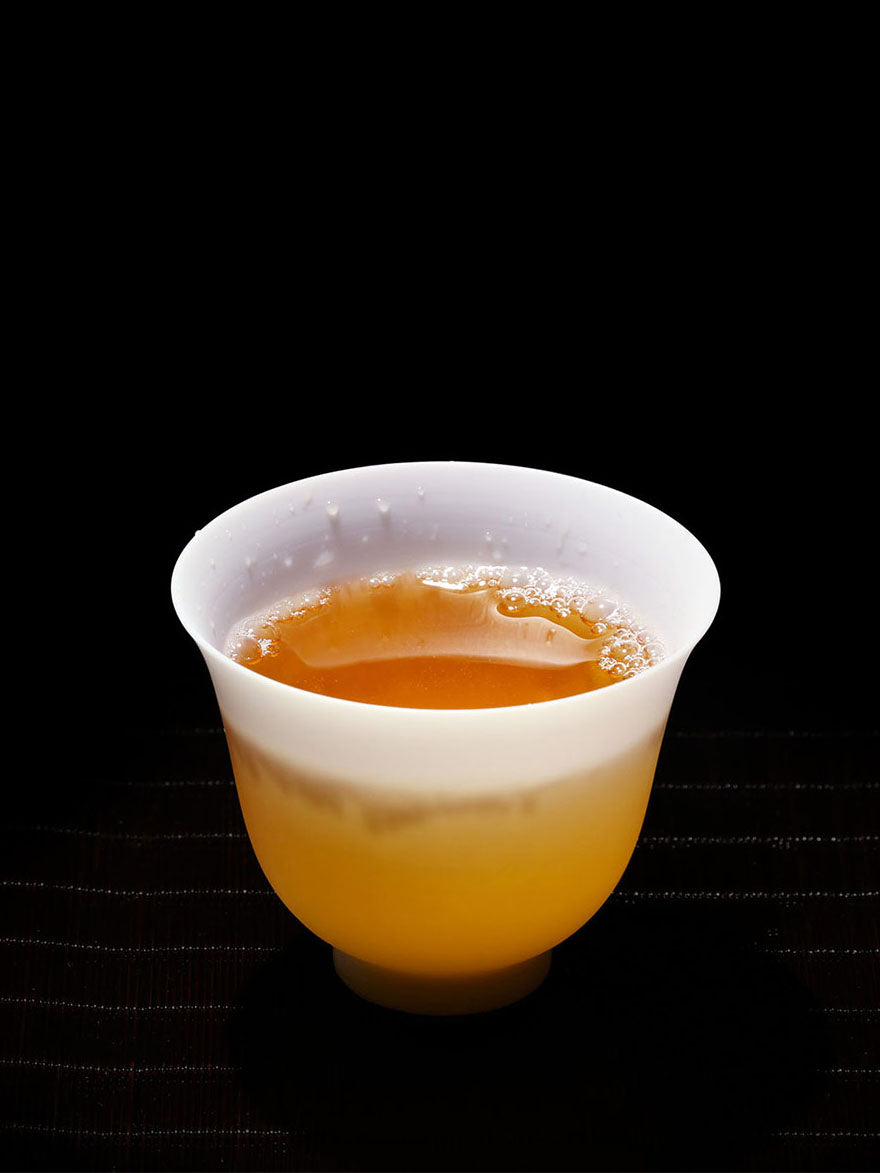
Simplicity is the ultimate sophistication, and its inherent charm arises naturally; its form inherits from antiquity, its elegance subtly revealed. The craftsman, with hands at heart, deeply understands the texture of clay, the measure of its form, and the balance of firing techniques, thus creating this piece. Furthermore, it utilizes the golden-yellow clay of Huanglong Mountain as its core, the essence of a thousand years of mineral extraction solidified into a single vessel. The clay's color is like gilded gold adorned with rosy clouds, its shape like the ancient moon gazing into an abyss. A timeless harmony of form and clay, it is worthy of being a refined offering on a table, and also a treasure to be passed down through generations.
This teapot is an old teapot from the Cultural Revolution era, with a lid added later.
Huanglongshan Goose Yellow Clay is a rare variety of Yixing purple clay.
Origin and Formation
Origin : Huanglong Mountain, Dingshu Town, Yixing, Jiangsu Province, one of the core mining areas for Zisha clay.
Formation : Belongs to the Zhu Ni category, formed by geological movements and mineral sedimentation. It contains kaolin, quartz, hematite and mica, with a high iron content (Fe₂O₃). After oxidation, it presents a unique goose-yellow hue.
mud
Appearance : The raw ore is pale yellow with a slight orange-red tinge. After firing, it has a warm and lustrous color and an oily sheen on the surface.
Texture : Fine particles, compact structure, good plasticity but extremely high shrinkage rate (about 25%-30%), prone to transverse cracks.
Features : Moderate breathability, strong heat retention, suitable for enhancing the aroma of tea.
process
Forming difficulty : The high shrinkage rate makes it easy to deform and crack during firing, requiring experienced craftsmen to control the dryness and moisture of the clay and the techniques used.
Firing temperature : approximately 1080℃-1150℃, requiring precise temperature control and multiple kiln firings for adjustment.
rare
Current status of mineral resources : The original ore reserves are extremely limited. In recent years, Huanglong Mountain has implemented a protective ban on mining, and most of what is circulating in the market are early stockpiles. This scarcity drives up the collectible value.
Type of work : mostly small teapots (under 200ml), as the success rate for large-sized pieces is extremely low.
Market positioning : High-end collectible clay, works by famous artists are expensive, combining the value of the clay and the craftsmanship.
Application and maintenance
Suitable for : Highly aromatic oolong teas (such as Phoenix Dancong and Tieguanyin), rock tea and raw Pu'er tea, with significant aroma-enhancing and mellowing effects.
Seasoning and maintenance : Rinse with warm water, avoiding sudden temperature changes. When brewing, rinse with tea and gently wipe with a soft cloth; over time, it will develop a patina with a jade-like texture.
Humanities
Refined taste of literati : The pale yellow color is elegant and understated, which fits the traditional literati aesthetic. It is often combined with poetry and seal carving to reflect the humanistic connotation of Zisha art.
Historical records indicate that Huangzhu Ni (黄朱泥) existed as early as the Qing Dynasty, but the name "Goose Yellow" (鹅黄) is more commonly seen in modern times, emphasizing its unique color.
Color : Genuine product is a warm, pale yellow, not a bright, glaring yellow, and after firing, it develops a slight reddish tinge ("Zhu Ni Yun").
Texture : Fine wrinkles ("worm pattern") are visible on the surface, which are natural traces of high shrinkage.
Sound : The tapping sound is crisp, similar to porcelain, unlike the dull sound of ordinary purple clay.
Differences between goose-yellow Zhu Ni and Zhao Zhuang Zhu Ni : Goose-yellow Zhu Ni is more yellow, while Zhao Zhuang Zhu Ni has a stronger reddish hue and a slightly lower shrinkage rate.
Identifying counterfeits : Fake clay with added iron oxide powder has a dull color, lacks natural granular texture, and shows no change after soaking.
In conclusion , Huanglongshan Goose Yellow Red Clay, with its rarity, challenging craftsmanship, and unique aesthetics, has become a treasure in the world of Zisha (purple clay) collecting. Its use and collection require consideration of both the characteristics of the clay and its cultural significance.
Teapot body: Made during the Cultural Revolution, made of Huanglongshan goose-yellow red clay.
Teapot lid: Matched in 2016, Zhao Zhuang Mountain gold-red enamel. Capacity: 300ml
Simplicity is the ultimate sophistication, and its inherent charm arises naturally; its form inherits from antiquity, its elegance subtly revealed. The craftsman, with hands at heart, deeply understands the texture of clay, the measure of its form, and the balance of firing techniques, thus creating this piece. Furthermore, it utilizes the golden-yellow clay of Huanglong Mountain as its core, the essence of a thousand years of mineral extraction solidified into a single vessel. The clay's color is like gilded gold adorned with rosy clouds, its shape like the ancient moon gazing into an abyss. A timeless harmony of form and clay, it is worthy of being a refined offering on a table, and also a treasure to be passed down through generations.
This teapot is an old teapot from the Cultural Revolution era, with a lid added later.
Huanglongshan Goose Yellow Clay is a rare variety of Yixing purple clay.
Origin and Formation
Origin : Huanglong Mountain, Dingshu Town, Yixing, Jiangsu Province, one of the core mining areas for Zisha clay.
Formation : Belongs to the Zhu Ni category, formed by geological movements and mineral sedimentation. It contains kaolin, quartz, hematite and mica, with a high iron content (Fe₂O₃). After oxidation, it presents a unique goose-yellow hue.
mud
Appearance : The raw ore is pale yellow with a slight orange-red tinge. After firing, it has a warm and lustrous color and an oily sheen on the surface.
Texture : Fine particles, compact structure, good plasticity but extremely high shrinkage rate (about 25%-30%), prone to transverse cracks.
Features : Moderate breathability, strong heat retention, suitable for enhancing the aroma of tea.
process
Forming difficulty : The high shrinkage rate makes it easy to deform and crack during firing, requiring experienced craftsmen to control the dryness and moisture of the clay and the techniques used.
Firing temperature : approximately 1080℃-1150℃, requiring precise temperature control and multiple kiln firings for adjustment.
rare
Current status of mineral resources : The original ore reserves are extremely limited. In recent years, Huanglong Mountain has implemented a protective ban on mining, and most of what is circulating in the market are early stockpiles. This scarcity drives up the collectible value.
Type of work : mostly small teapots (under 200ml), as the success rate for large-sized pieces is extremely low.
Market positioning : High-end collectible clay, works by famous artists are expensive, combining the value of the clay and the craftsmanship.
Application and maintenance
Suitable for : Highly aromatic oolong teas (such as Phoenix Dancong and Tieguanyin), rock tea and raw Pu'er tea, with significant aroma-enhancing and mellowing effects.
Seasoning and maintenance : Rinse with warm water, avoiding sudden temperature changes. When brewing, rinse with tea and gently wipe with a soft cloth; over time, it will develop a patina with a jade-like texture.
Humanities
Refined taste of literati : The pale yellow color is elegant and understated, which fits the traditional literati aesthetic. It is often combined with poetry and seal carving to reflect the humanistic connotation of Zisha art.
Historical records indicate that Huangzhu Ni (黄朱泥) existed as early as the Qing Dynasty, but the name "Goose Yellow" (鹅黄) is more commonly seen in modern times, emphasizing its unique color.
Color : Genuine product is a warm, pale yellow, not a bright, glaring yellow, and after firing, it develops a slight reddish tinge ("Zhu Ni Yun").
Texture : Fine wrinkles ("worm pattern") are visible on the surface, which are natural traces of high shrinkage.
Sound : The tapping sound is crisp, similar to porcelain, unlike the dull sound of ordinary purple clay.
Differences between goose-yellow Zhu Ni and Zhao Zhuang Zhu Ni : Goose-yellow Zhu Ni is more yellow, while Zhao Zhuang Zhu Ni has a stronger reddish hue and a slightly lower shrinkage rate.
Identifying counterfeits : Fake clay with added iron oxide powder has a dull color, lacks natural granular texture, and shows no change after soaking.
In conclusion , Huanglongshan Goose Yellow Red Clay, with its rarity, challenging craftsmanship, and unique aesthetics, has become a treasure in the world of Zisha (purple clay) collecting. Its use and collection require consideration of both the characteristics of the clay and its cultural significance.
Frequently asked questions
Use the FAQ section to answer your customers' most frequent questions.
Order
Yes, we ship all over the world. Shipping costs will apply, and will be added at checkout. We run discounts and promotions all year, so stay tuned for exclusive deals.
It depends on where you are. Orders processed here will take 5-7 business days to arrive. Overseas deliveries can take anywhere from 7-16 days. Delivery details will be provided in your confirmation email.
You can contact us through our contact page! We will be happy to assist you.